

My understanding of culture didn't start in a boardroom.
It began growing up as a Bulldog in South Glens Falls, where one of the things you look forward to most is someday being part of the South High Marathon Dance. Long before I became a student leader, I watched older students give their time, energy, and hearts to something bigger than themselves. Being part of the Marathon Dance was not just an event to attend. It was a rite of passage and a chance to contribute to a tradition that has shaped generations of Bulldogs.
The Marathon Dance is more than a fundraiser. It is a 50-year tradition that brings together students, families, educators, businesses, and community members around a shared purpose: supporting people facing life's challenges. As a student leader, I helped organize events, work with families, and bring people together around something bigger than themselves.
What struck me most was not the fundraising. It was the relationships. When people feel connected, they show up differently. They support one another. They sacrifice for one another. They take responsibility for one another. They become part of something larger than themselves.
Today, I still return each year as a volunteer. I lead the social media team, recruit alumni to help, coordinate pre-dance activities, and serve on the Shenanigans Committee, which plans the wild overnight games and traditions that keep hundreds of students laughing through the night. Somewhere between the frozen t-shirts, table surfing, and 3 a.m. exhaustion, I learned a simple truth: culture is built through shared experiences. When people laugh together, work together, and care for one another, a community becomes something special.
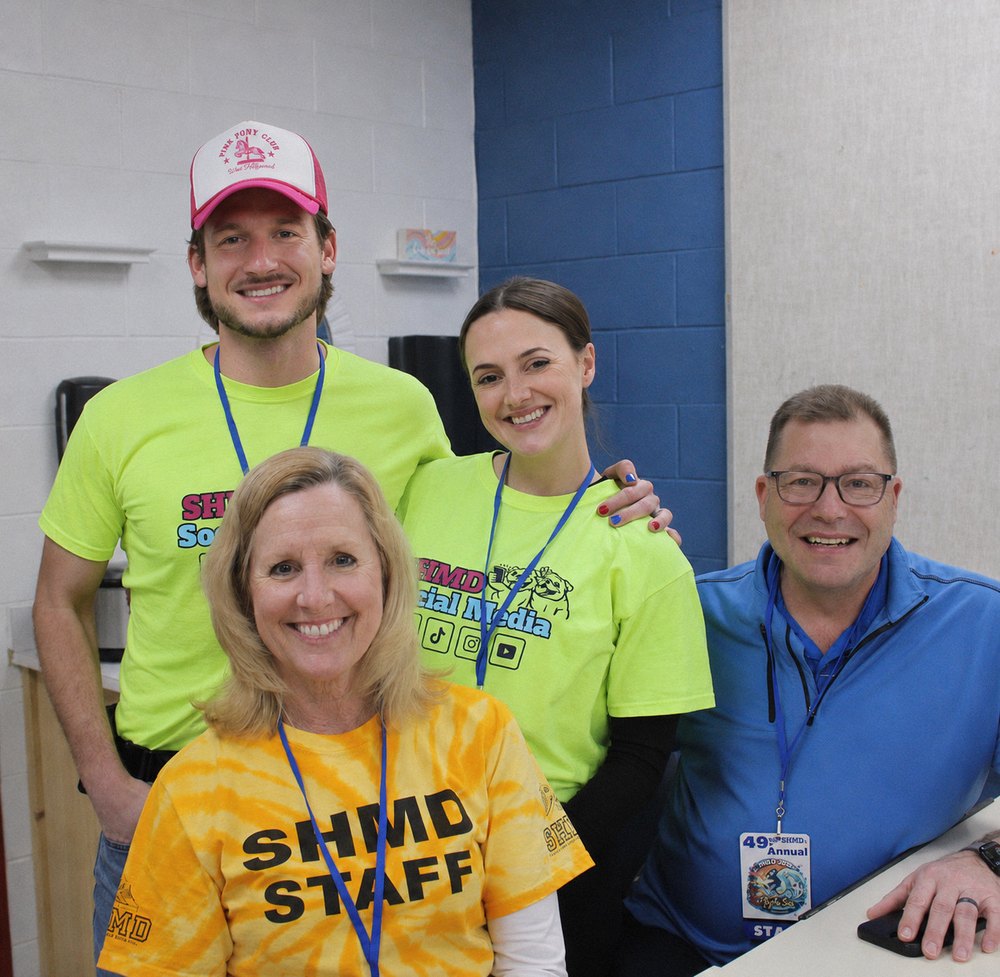
Culture is created by people
Culture is not created by mission statements. It is created by people. Every day, people make decisions about whether to trust one another, support one another, include one another, communicate honestly, and contribute to the well-being of the group.
Those decisions become culture. The strongest organizations intentionally create environments where those choices become easier and more common. That is the work I built Circle Values to do.
Why Circle Values exists
Before founding Circle Values, I spent much of my professional life sitting in circles.
One year, I counted 863 facilitated circles across a single 180-day school year. I've sat with students, teachers, administrators, athletes, tradespeople, leadership teams, and community members. I've listened to stories about success and failure, belonging and loneliness, hope and frustration. Over time, patterns began to emerge.
The groups with the strongest cultures were rarely the ones with the best slogans or the most polished strategic plans. They were the groups where people felt connected to one another and responsible for one another. They had a voice in shaping the culture. They felt capable of contributing to it. The culture was not something imposed on them. It was something they owned.
That realization became the foundation of Circle Values.
We do not arrive with a packaged program and tell people who they should be. We help organizations and schools strengthen relationships, identify the values that matter most to their community, and create opportunities for people to take ownership of the culture they share.
Because culture is not built by policies, posters, or presentations. It is built by people.
The beliefs behind the work
- People support what they help create and take ownership in.
- Culture is built through relationships, not presentations.
- The strongest organizations are the ones where people take responsibility for one another.
- Play is one of the most powerful and overlooked tools for human development, creativity, trust, and connection.
- Every person wants to feel valued, capable, and connected to something bigger than themselves.
- Curiosity and creativity are strengths we should nurture rather than outgrow.
- Human connection matters more than ever.
The moments that build us are disappearing
Many of the moments that once helped us build relationships have disappeared. Lunch breaks, conversations before meetings, time spent together without distraction, and small moments of genuine interaction have become increasingly rare.
Yet those moments are where trust is built. They are where empathy grows. They are where communities are formed.
Circle Values exists to help organizations create more of those moments, and build cultures where people are excited to show up, contribute, and belong.
If this is how you think about culture, let's talk.
No pitch. A real conversation about your people and what you want to build together.
Book a Call